Across the centuries, there are moments when the past seems to breathe again. Ancient words still carry weight, and the voices of those who once walked dusty streets of faith seem to whisper into modern hearts. Ephesus was one such place where those echoes began. It was a city filled with learning, trade, and devotion. It was also a place where faith was tested, shaped, and renewed.
Today, though the ruins remain silent, their message still stirs. The story of Ephesus reminds us that faith was never meant to stand still. It was alive, growing through conversation and community. The believers of that time did not have the comfort of stability or the assurance of acceptance. They had questions, struggles, and a hunger for truth. In many ways, they were not so different from those who seek understanding today.
The people of Ephesus lived in a world of competing voices. There were teachers, rulers, and philosophers offering their own versions of wisdom. And yet, in the midst of it all, small gatherings of believers continued to meet, pray, and share stories of transformation. Their gatherings were not about buildings or titles; they were about presence. They were about finding strength in fellowship and courage in faith.
This image of a small yet faithful group of people has never truly disappeared. It resurfaces in every age, in every heart that seeks meaning beyond the visible. Faith, after all, does not belong to the past. It continues to call out, inviting each generation to listen.
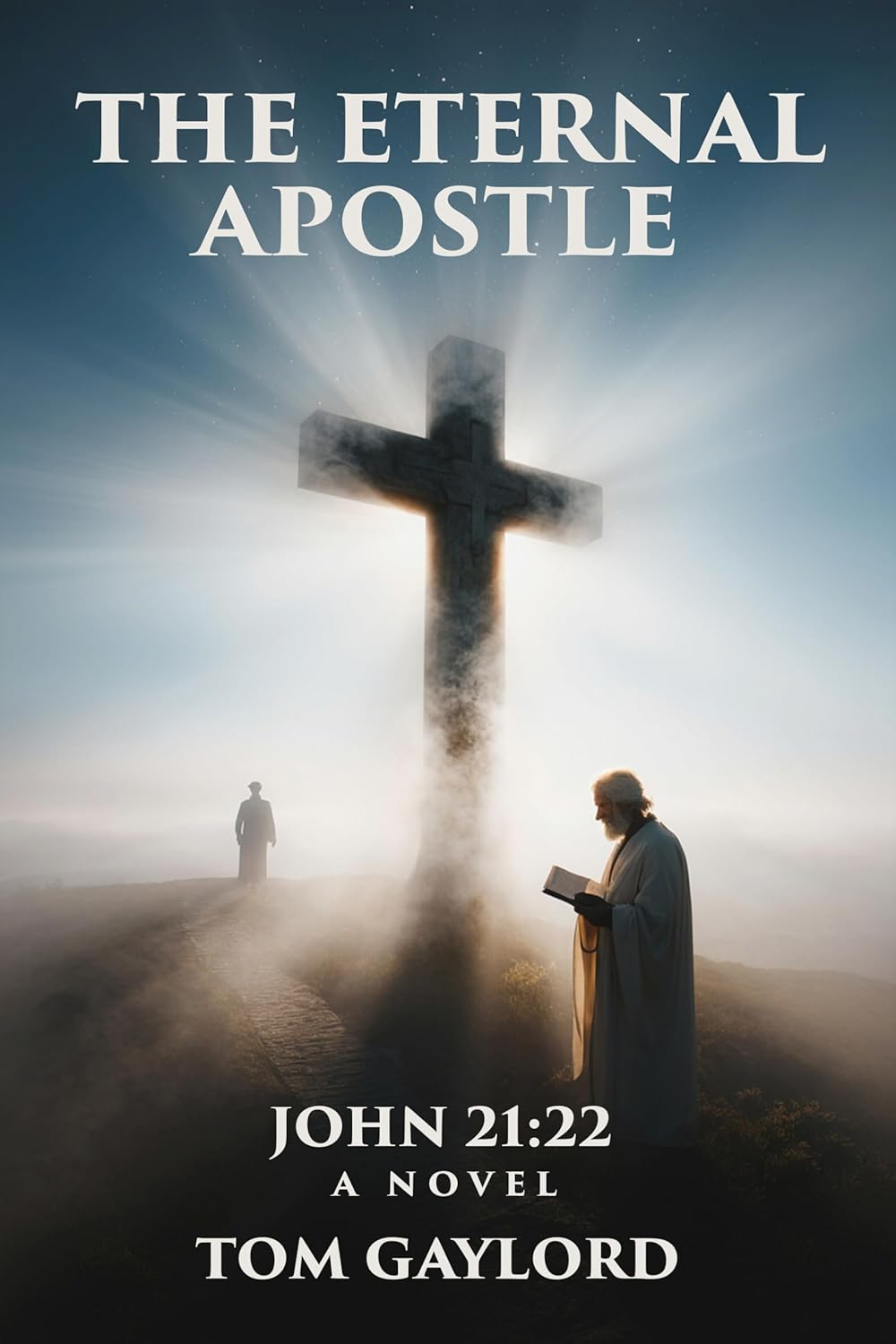
In The Eternal Apostle (John 21:22), author Tom Gaylord captures the spirit of these early gatherings with deep reverence and imagination. Through his storytelling, readers are reminded that the message carried from those ancient days was never about religion alone. It was about relationship — about learning to hear the divine in the middle of daily life. His book weaves mystery and reflection together, reminding us that even now, the same eternal voice that guided those first believers still speaks.
To listen to the echoes of Ephesus is to remember that faith is both fragile and fierce. It grows through questions as much as through answers. It lives in moments of silence and in the rhythm of prayer. Those early believers did not always understand what lay ahead, but they knew that they were called to walk forward. Their courage was not in knowing everything but in trusting that they were not walking alone.
In a modern world filled with distractions, this message carries quiet strength. The early followers in Ephesus teach us that faith is not proven by how much one knows but by how one chooses to live. They teach that light shines brightest in times of uncertainty. They remind us that love was always meant to be the foundation upon which belief stands.
Tom Gaylord’s The Eternal Apostle invites readers to explore that same truth in a fresh way. The novel reflects how timeless the journey of faith really is. It moves through history and imagination, showing that the essence of belief has always been a dialogue between heaven and earth. The story encourages readers to see that divine purpose still moves quietly through modern lives, calling people to remember the lessons of the past while embracing the hope of the present.
Perhaps that is the true echo of Ephesus — the realization that faith is not confined to temples or texts. It is written in human hearts, carried through generations by those willing to listen. It thrives not in certainty but in surrender, not in perfection but in persistence. The same spirit that once moved through those early believers continues to stir today, waiting for hearts to open, to remember, and to respond.
To live with such awareness is to rediscover what the first believers already knew. Faith is not something to be contained; it is something to be lived. It is as much an act of courage as it is of devotion. It is the quiet understanding that every prayer, every act of kindness, every moment of grace sends another echo into eternity. Ephesus may now be ruins beneath the sun, but the message born there endures. It moves through time and finds new life in every believer who listens. The past is not gone — it lives in those who still dare to believe.