
Inspired by Kate Ziedman’s Duchess
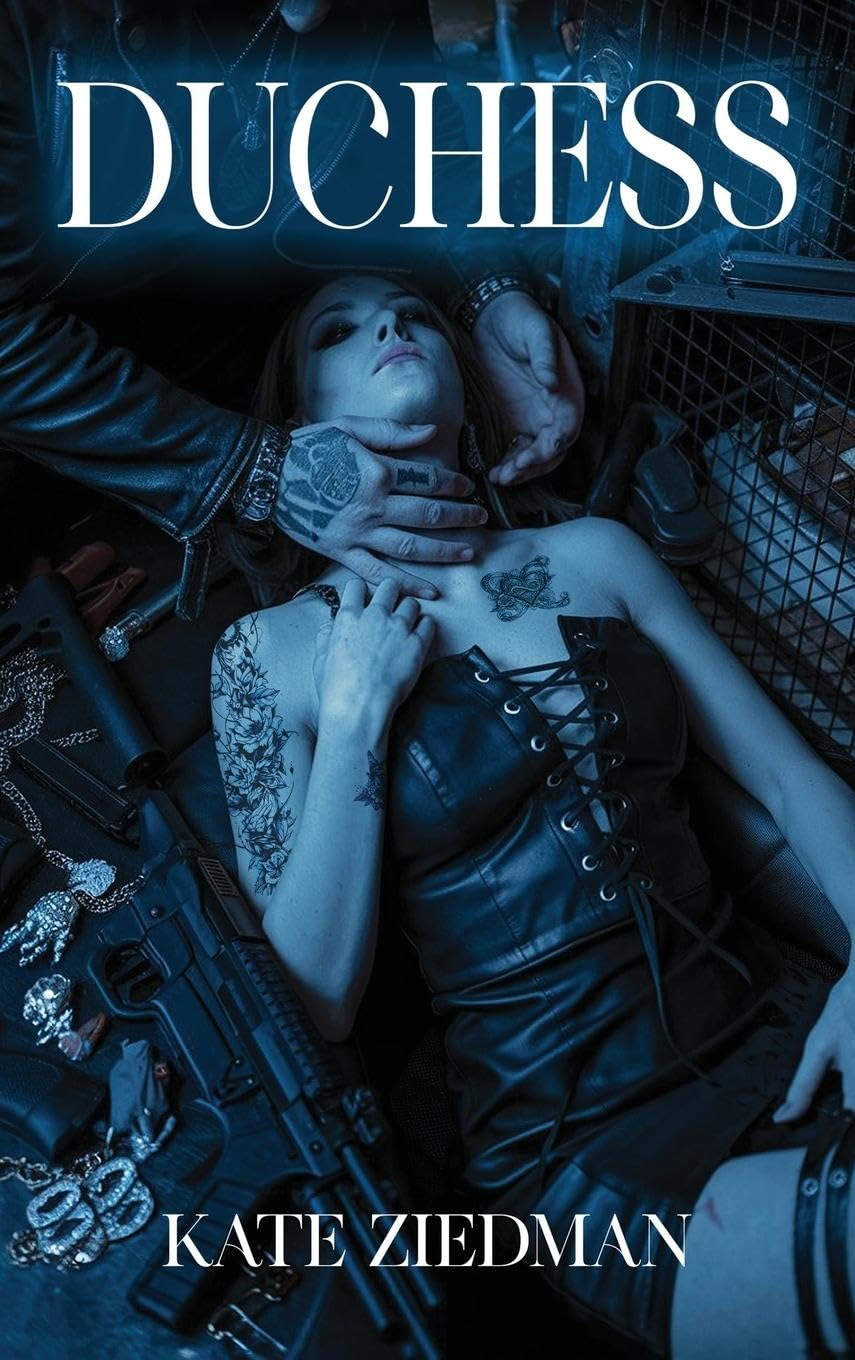
There is something compelling about a woman who will not bend. Not the strength that arrives with a flawless grin or a scripted monologue, but the strength that oozes from the bloodied knuckles, rebellion, and determination to keep going when the world demands that she just shut up. In Duchess, Kate Ziedman presents us with precisely that: Davianna Barclay, a heroine with every reason to submit, but does not.
Davianna is not our “strong female protagonist” spoon-fed to us for decades. She is messy, complicated, and flawed. Her strength does not derive from slicing with a sword or saving the planet; it derives from surviving the un-survivable and clawing back to who she is. When she is kidnapped, beaten, and robbed of power, her narrative does not become one of weakness. It becomes one of resistance. Each decision she makes, each taunt she throws at her kidnappers, each amount of anger that seethes below her terror, it all yell one thing: you cannot have me.
That is what makes women like Davianna so fascinating. They are a reminder that strength does not mean being invincible; it means rising up again when the world breaks you in half.
We hunger for strong female protagonists because they reflect a reality that so many women are intimately familiar with: that survival is so often rebellion. In a society that teaches women to be weak, meek, and compliant, watching a woman spit in the face of danger feels like reclaiming. We read about such heroines as Davianna and find echoes of our own little acts of resistance: drawing boundaries, saying no, choosing ourselves.
But Ziedman does not idealize strength. She indicates its price. Davianna’s bravery is not easy; it is paid in pain, trauma, and the nightmares that will not leave her alone. And that is exactly why she is so strong. She is not an untouchable icon; she is vulnerable. Her fear makes her courage count. Her weakness makes her strength shine.
There is also an unquestionable catharsis in seeing women like Davianna bite back. She does not merely suffer the darkness; she claws it, spits on it, and refuses to let it devour her. In a world that so frequently condemns women for their fury, Duchess lets us be angry. Let us rage. Let us reclaim that inner feral within us that knows we are entitled to fight for our own lives and narratives.
Ziedman’s narrative draws on something old and new at the same time: the transformation of the heroine from damsel to dominator. The woman who used to be rescued now rescues herself. The woman who once whispered now roars.
There are no tough female characters to make us feel at ease; there are only those to tell us that hurt can give rise to strength. They are to remind us that staying alive does not always translate to being meek. Sometimes it means showing your teeth.
And when we hear stories about women like Davianna Barclay, who is battered, fierce, and alive, we are reminded that the flame within us is not a defect. It is a testament to the fact that we are still battling.
For sometimes, the only survival is to bite back.